APPLICATIONS
Applications and Product Mapping
Comprehensive solutions for overhead lines, underground cables, rail systems, and antenna installations.
Tower Erection
Tower erection is a critical phase in powerline construction and refurbishment, directly affecting safety, quality, and project timelines. Depending on site conditions and tower design, erection techniques range from gin pole and derrick methods to crane-assisted assembly and helicopter-supported erection in remote or mountainous terrain. Each method requires precise load control, careful sequencing, and reliable equipment.
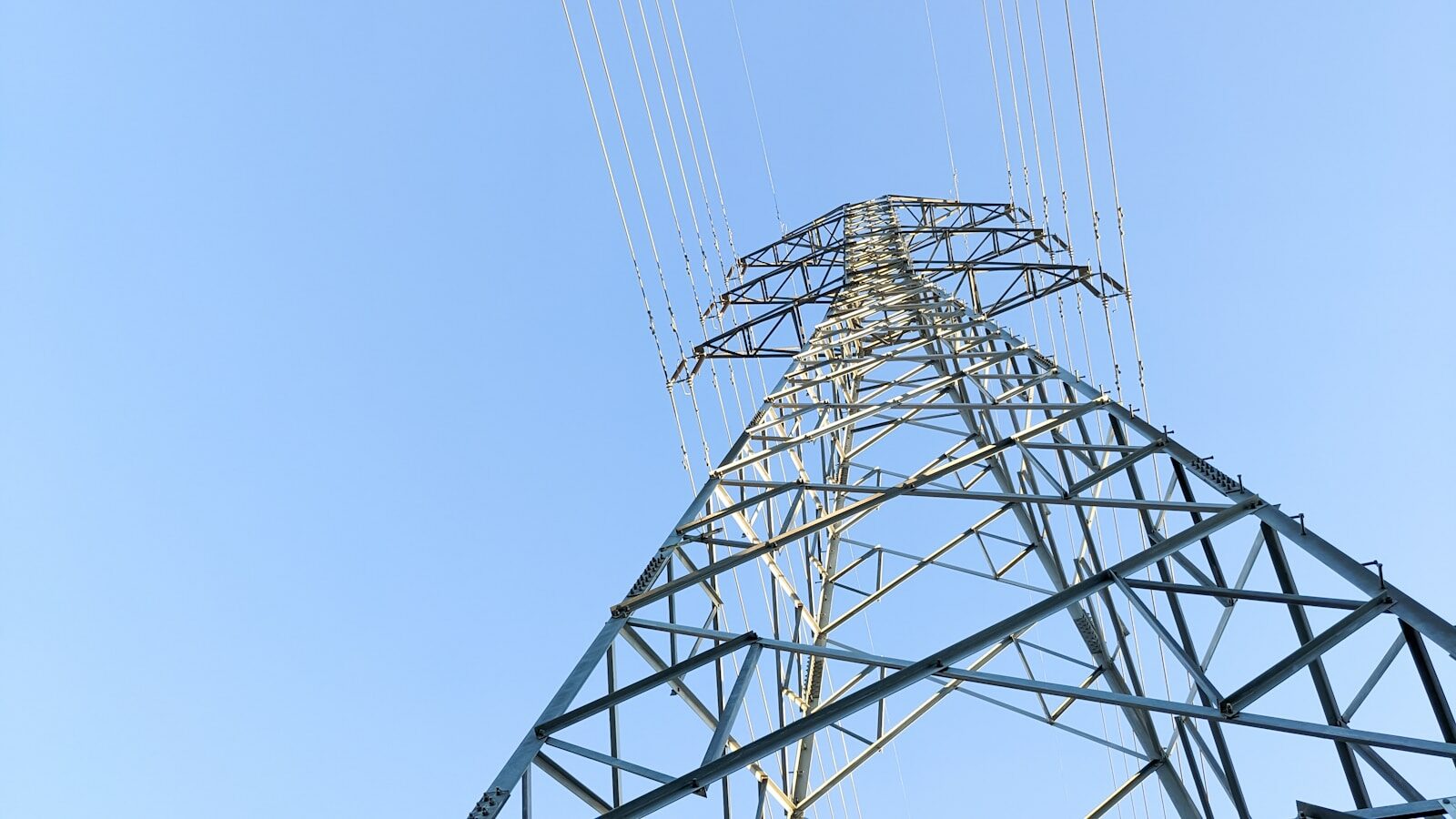
New Powerline Construction (HV / EHV)
New powerline construction for HV and EHV networks is essential to expand transmission capacity, connect renewable energy sources, and strengthen cross-regional and cross-border grids. Such projects involve multiple complex stages, including foundation works, tower erection, conductor stringing, sagging, and final commissioning, often across long distances and challenging terrain
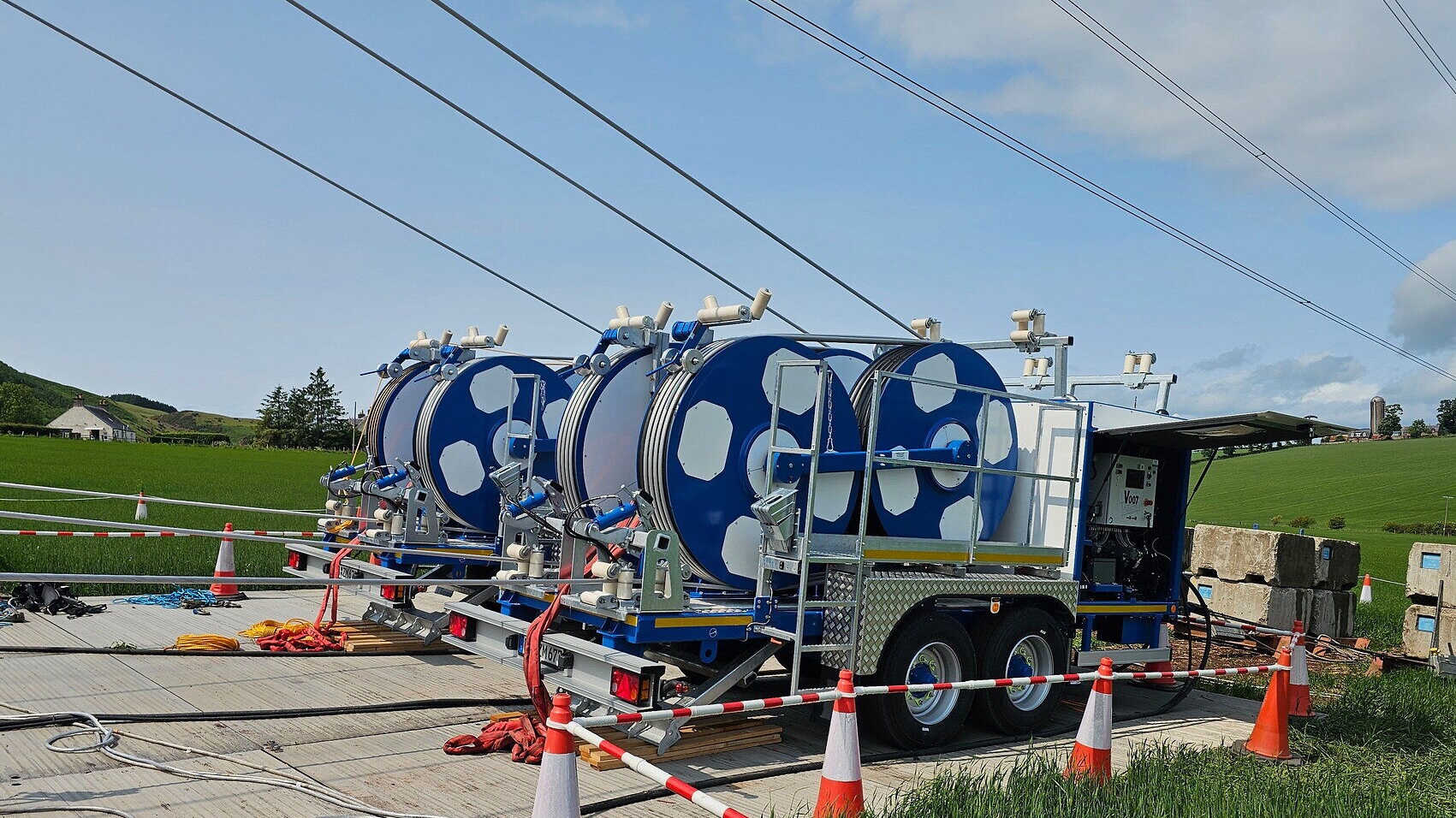
Helicopter & Drone Stringing
Helicopter stringing is a highly efficient method for installing conductors and pilot ropes in HV and EHV powerline projects, especially in difficult or sensitive terrain. It is commonly used in mountainous regions, dense forests, river crossings, and environmentally protected areas where ground access is limited or disruptive. By lifting and placing ropes or conductors directly onto towers, helicopter stringing significantly reduces construction time and minimizes impact on the landscape.
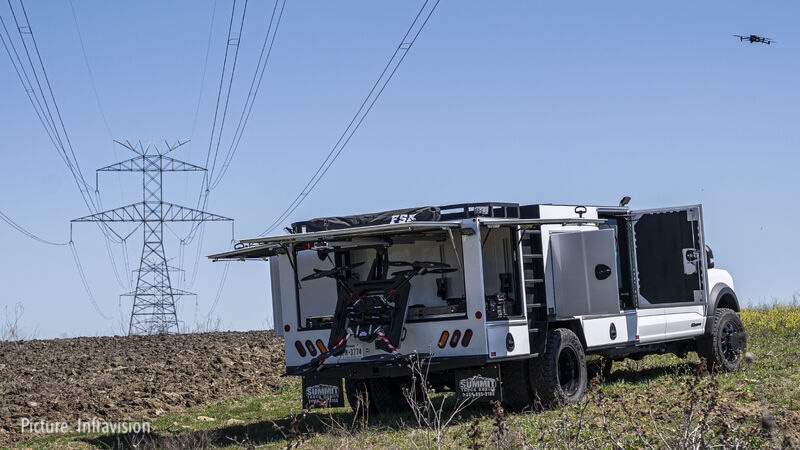
Powerline Refurbishment
Powerline refurbishment relies on a range of proven techniques combined with new technologies. Common methods include reconductoring (replacing old conductors with higher-capacity or HTLS conductors), insulator replacement, tower strengthening or foundation repair, and hardware upgrades to improve safety and performance. Increasingly, refurbishment is carried out on existing corridors and, where required, under live-line conditions to minimize outages.
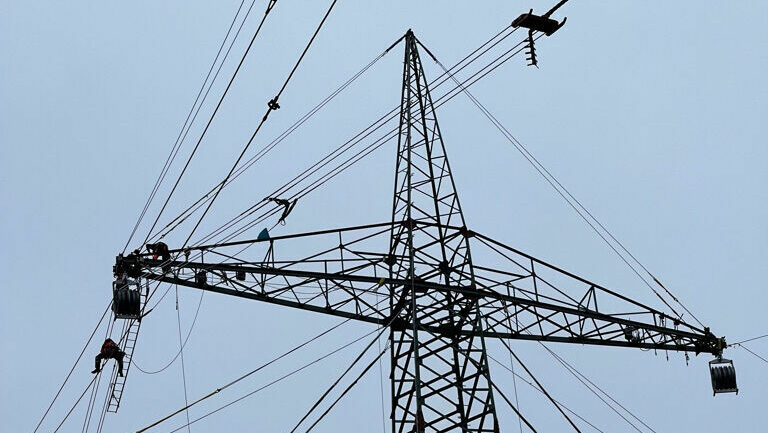
Wide Crossings (Rivers, Valleys, Infrastructure)
Wide crossings over rivers, valleys, highways, and critical infrastructure are among the most demanding tasks in powerline construction. These spans involve long distances, extreme conductor weights, high tensions, complex wind and sag behavior, and strict safety and clearance requirements. Any deviation can lead to significant safety risks, delays, or disruptions to traffic and navigation.
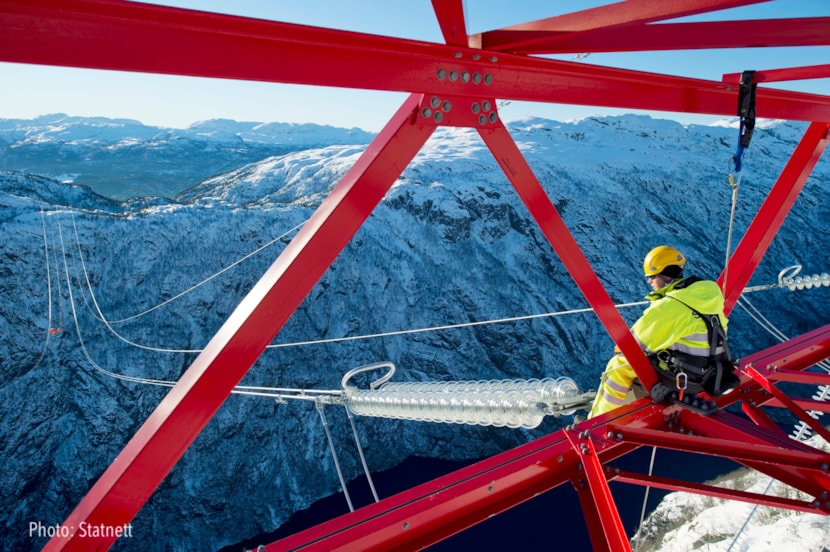
OPGW Installation
OPGW installation combines powerline construction with the integration of optical fiber communication, making it a highly sensitive and precision-driven process. Alongside mechanical requirements similar to conductor stringing, OPGW demands strict control of tension, bending radius, and sag to protect the optical fibers from micro-bending or damage that could impair signal quality.
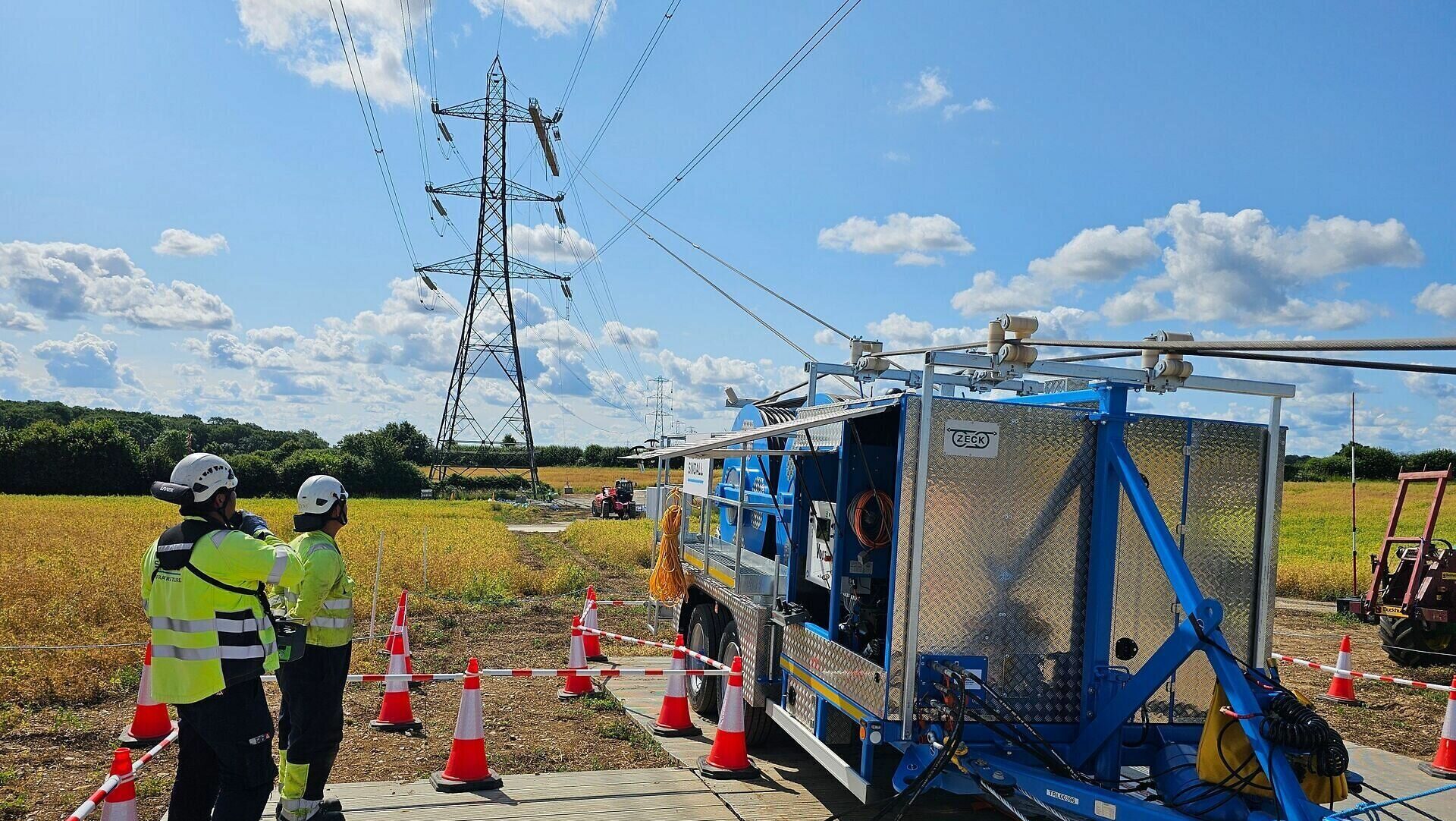
Underground & Laying Applications
Underground and laying applications are increasingly used in power transmission projects where overhead lines are not feasible due to urban density, environmental constraints, or visual impact. These projects involve the installation of heavy power cables or ducts in trenches, tunnels, or conduits and require precise control of pulling forces, bending radii, and installation speed to avoid cable damage.
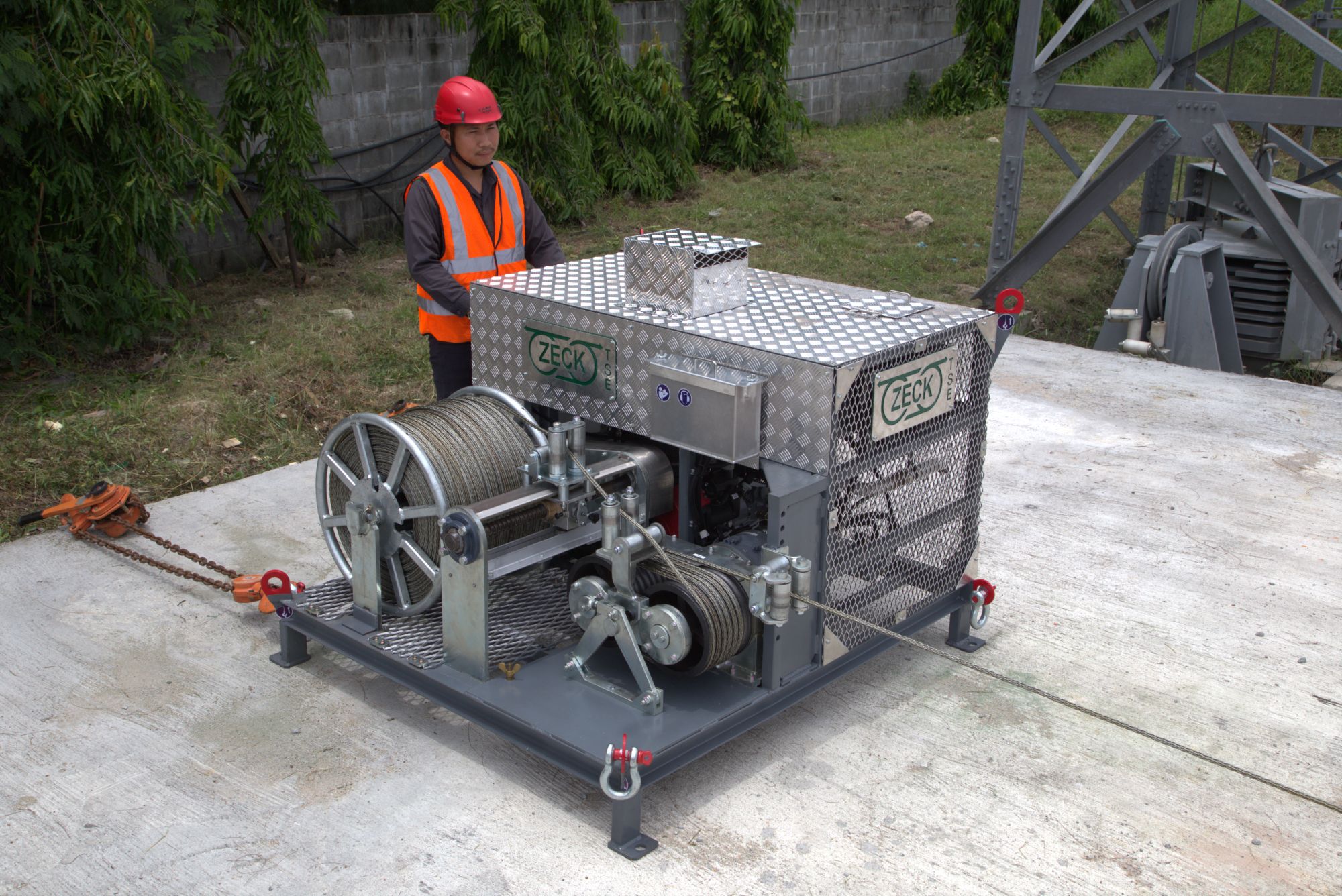
Reconductoring & Uprating (HTLS, ACCC, ACSS)
Reconductoring and uprating are key strategies to increase line capacity without building new corridors. By replacing existing conductors with HTLS solutions such as ACCC or ACSS, utilities can significantly raise current-carrying capacity while keeping existing towers and rights-of-way. This approach reduces permitting effort, costs, and environmental impact.
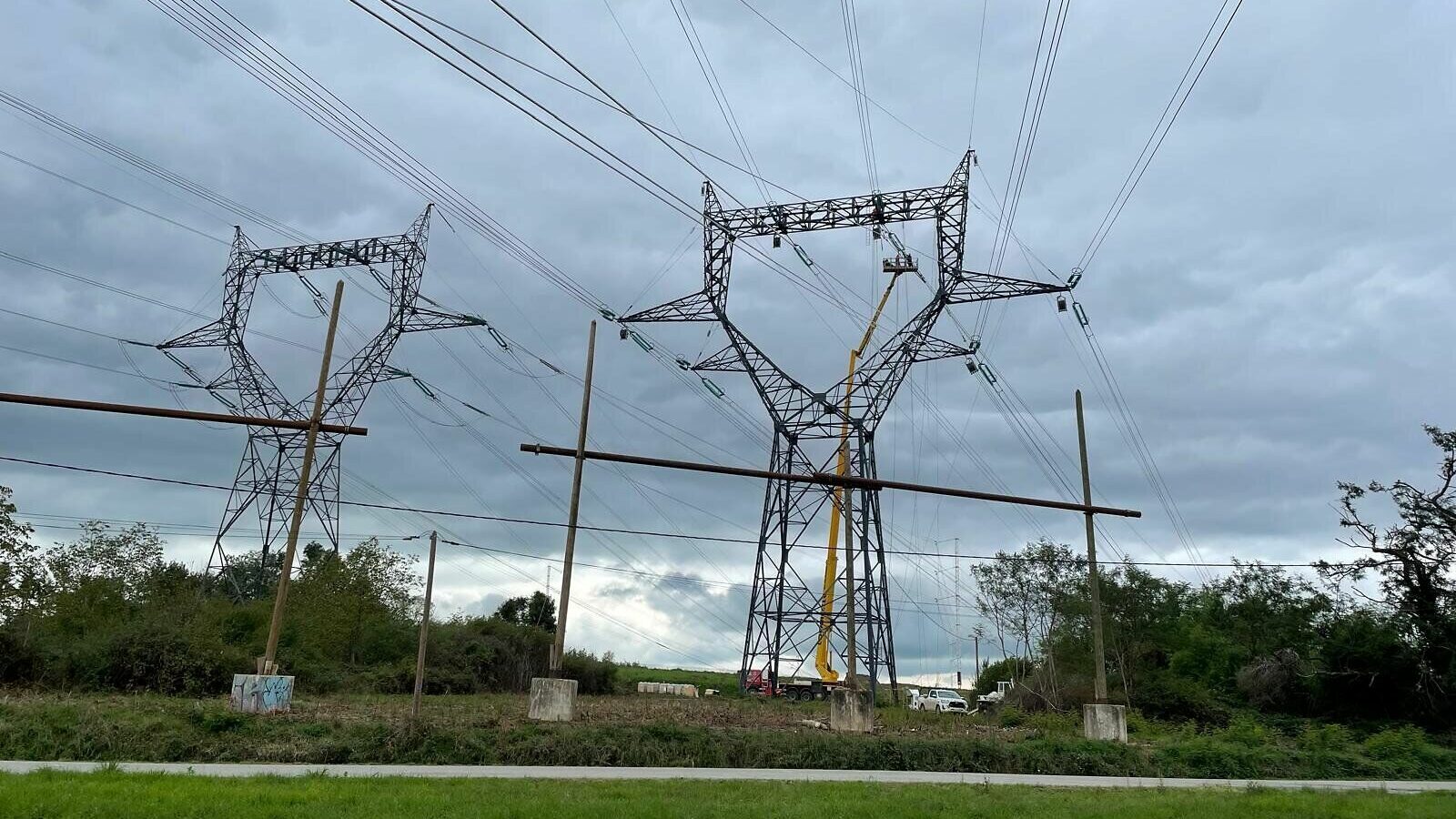
Emergency Restoration & Temporary Lines
Emergency restoration and temporary line installation are essential to rapidly restore power after storms, natural disasters, or major system failures. These operations are time-critical and often carried out under difficult conditions, with damaged infrastructure, limited access, and high pressure to re-energize the grid as quickly and safely as possible.
Founded on a Century of German Engineering Excellence
Precision Stringing Technology made in Thailand
Trusted by Transmission Contractors Worldwide
Certified to
International Standards
Not sure which product fits your project?
Our application engineers will help you select the right equipment for your specific line conditions and requirements.